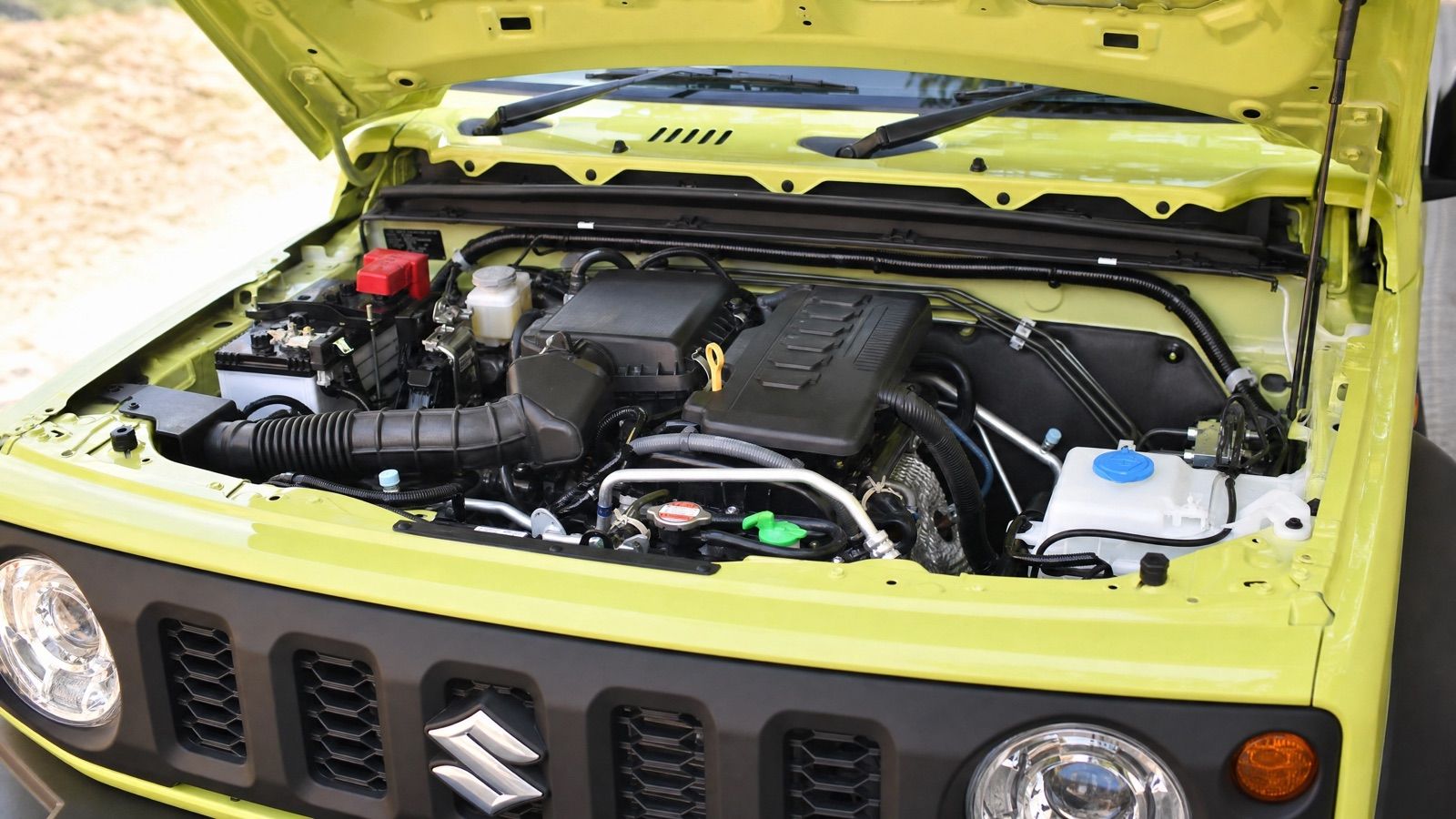
The Suzuki Jimny is, on the whole, one of the more dependable vehicles in its class — and the reason is simple: it is simple. There is no turbo, no dual-clutch gearbox and no complex electronics-laden drivetrain to go wrong. Both the third-generation 1.3 (JB43) and the current fourth-generation 1.5 (JB74 three-door and JC74 five-door) use a naturally aspirated petrol engine, a ladder-frame chassis and a part-time four-wheel-drive system with low range. That recipe is old-school on purpose, and it is a big part of why the Jimny has such a loyal following in South Africa. This guide covers the problems that do come up so you can buy and own with your eyes open. It is a reliability and buyer’s checklist, not a valuation — for pricing, see our Jimny price guide and the live market data.
The honest summary: robust mechanicals, modest refinement
Most genuine Jimny complaints are about refinement and packaging, not breakdowns. It is a small, light, tall, ladder-frame 4x4 with short gearing and a focus on off-road ability, so the things owners notice day to day are road noise, a busy ride and tight interior space — not engines letting go. Treat the list below as “things to check and live with”, weighted toward the items that actually cost money.
Everyday ownership niggles (NVH, space, dust)
These are the complaints you will hear most often from South African owners. None of them is a mechanical fault, but they shape whether the Jimny suits you:
- Road noise and rattles (NVH). The Jimny is noisy at highway speed by modern standards, and interior rattles and trim squeaks are common as cars age — partly a function of the ladder frame and the upright, boxy body. It is character on a weekend 4x4; it is tiring on a long daily commute.
- Cramped rear and tiny boot. The three-door is genuinely small in the back — the boot is around 85 litres with the rear seats up. The five-door (around 211 litres) is far more usable for families and luggage, which is exactly why it exists. If space is your concern, the body style matters more than anything else — see our 3-door vs 5-door guide.
- Dust ingress on gravel. Some owners report dust working into the cabin and boot on long gravel sections. Check door and tailgate seals on a used car and look for dust lines inside the boot — it also tells you how hard the vehicle has been driven off-road.
- Modest economy when pushed. The 1.5 is rated around 6.4 L/100 km (manual), but it is a small engine in a boxy, heavy-for-its-size 4x4, so real-world figures climb quickly on the highway or fully loaded. This is expected, not a fault.
Mechanical watch-items
These are the items worth knowing about specifically — the things to listen, look and test for on a used Jimny:
- Crank angle sensor. A faulty crank angle (crankshaft position) sensor can cause rough running, stalling or starting issues and may trigger a warning light. It is a known item on the Jimny’s engine family and generally a straightforward fix, but confirm there are no related fault lights on the dash.
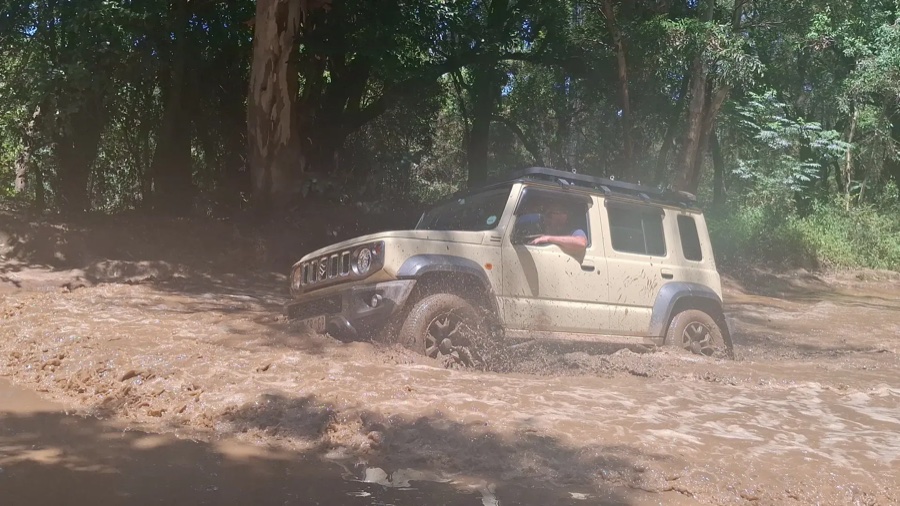
- Off-road suspension and steering wear. The Jimny invites hard use, and a car that has been worked off-road can show accelerated wear in the suspension, bushes, steering components and recovery points. Check for play in the steering and look underneath for impact damage and bent or scraped hardware.
- Steering wobble (the “death wobble”) check. Solid-axle 4x4s can develop a steering oscillation at certain speeds, usually from worn or out-of-adjustment steering/suspension parts, wheel balance or alignment. Always take a used Jimny to highway speed on a quiet road and feel for any shimmy through the wheel; if it is there, get the front end inspected before buying.
- Brake wear. Standard wear item, but the Jimny is light and the brakes are modest, so check pad and disc condition — especially on a car used for towing or regular off-road loading.
- 4-speed automatic running warm. The 4AT is a simple, durable older design, but because the Jimny is light on power the gearbox works hard and can run warm when towing or climbing for long periods in hot SA conditions. Confirm the fluid has been serviced and that it shifts cleanly. For heavy off-road or towing use, the manual is the more forgiving choice.
Buying tips: how to buy a good one
The single most reliable way to end up with a dependable Jimny is to buy a standard, lightly used example with a clean history. Concretely:
- Insist on full service history. A complete Suzuki or reputable independent record is your best protection — it is also what keeps the Jimny’s already-strong resale value firm. (More on that in our resale value guide.)
- Get a pre-purchase inspection (PPI). An independent check before you pay catches steering, suspension and drivetrain wear that a quick test drive will miss. On a vehicle that holds its value as well as a Jimny, it is money well spent.
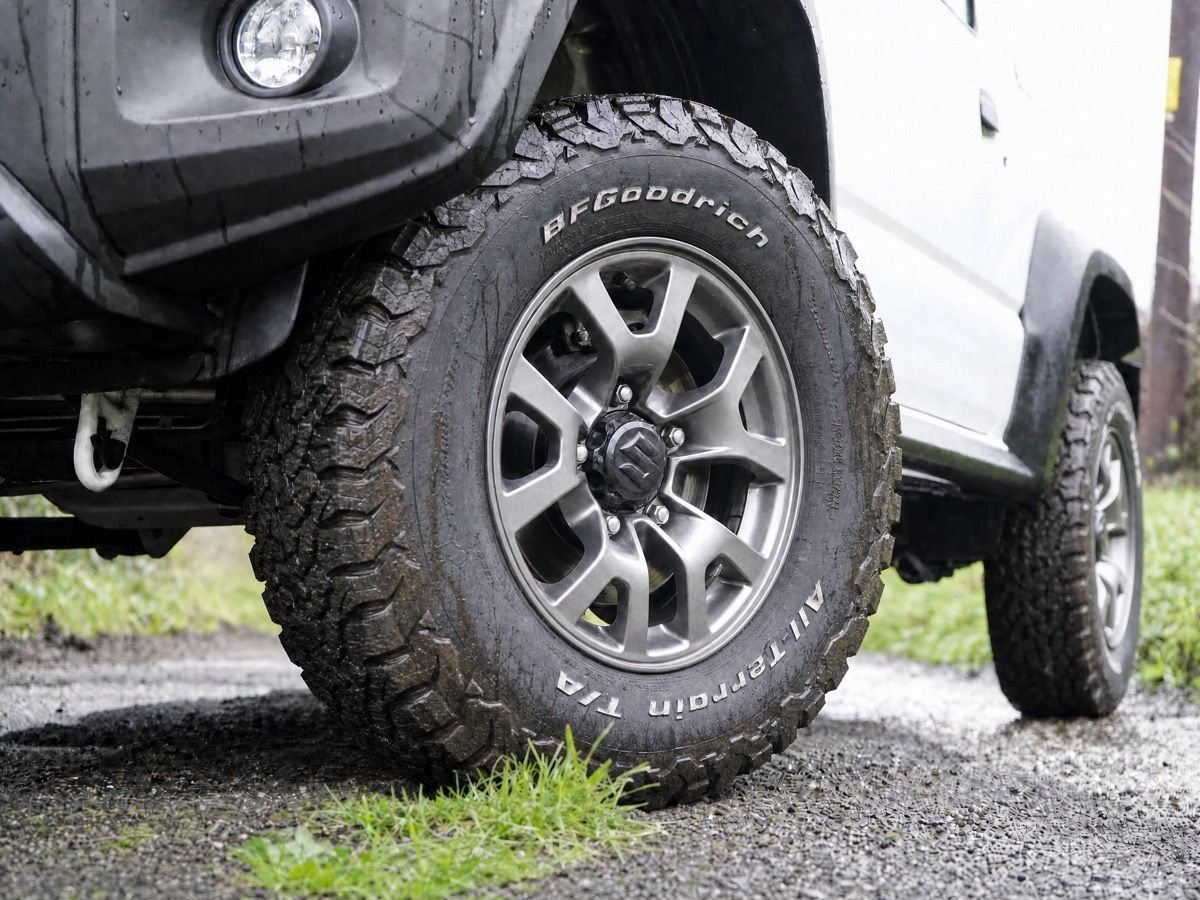
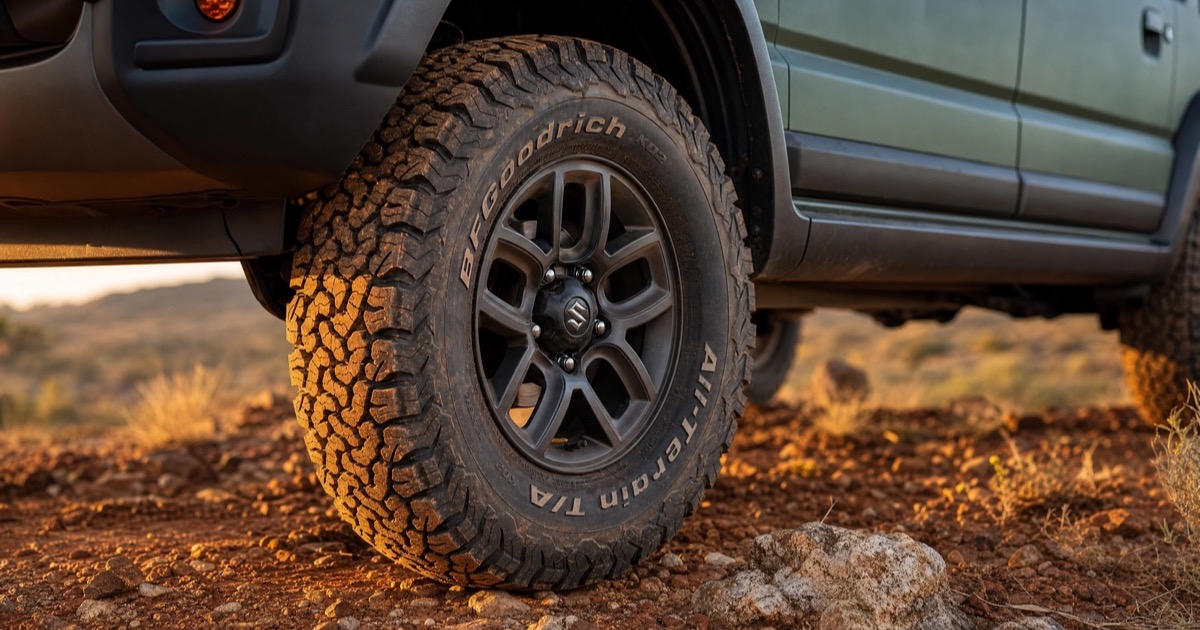
- Check for hard off-road use. Underbody scrapes, bent recovery points, worn off-road tyres, aftermarket lift kits and mud in odd places all tell a story. Modified and heavily-used Jimnys can be excellent — but you should buy them knowingly and price them accordingly.
- Test at highway speed and on a rough surface. Listen for rattles, feel for steering wobble, and confirm the 4x4 system and low range engage properly.
The bottom line
The Suzuki Jimny earns its reputation for reliability through simplicity — proven, naturally aspirated mechanicals with little to go wrong. The realistic ownership trade-offs are refinement and space (noise, rattles, a cramped rear and dust on gravel), and the specific items to check on a used car are the crank angle sensor, off-road-related suspension and steering wear, any steering wobble at speed, brake condition and a hard-worked 4AT. Buy one with full service history, get a PPI, and check honestly for hard off-road use, and the Jimny is one of the safer, more rewarding small 4x4s you can own in South Africa. When you are ready, browse the latest Jimny listings or check what your Jimny is worth.